
T/01
Bioinformatics
Algorithms, sequence analysis, genomic databases and the computational core of the field.
Three days of keynotes, paper sessions, mini-courses and posters for researchers in bioinformatics, computational biology and systems biology, from universities and industry alike.
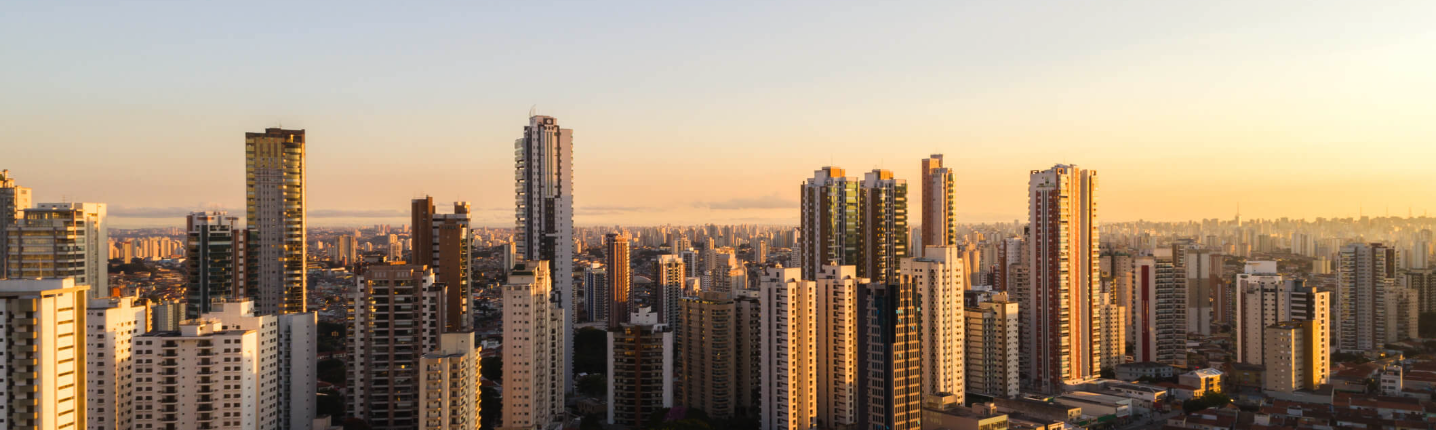
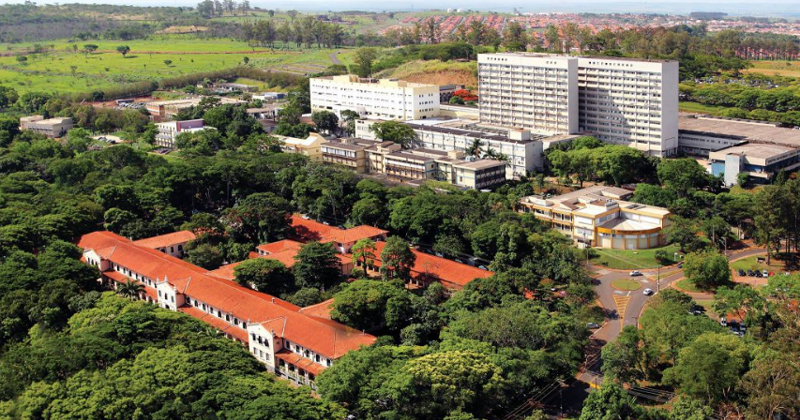
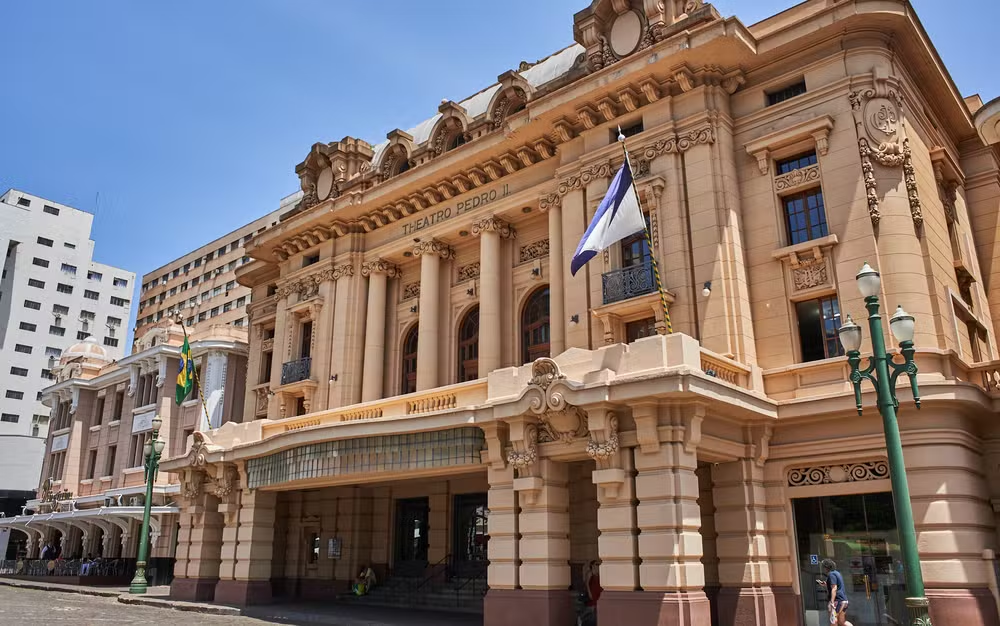
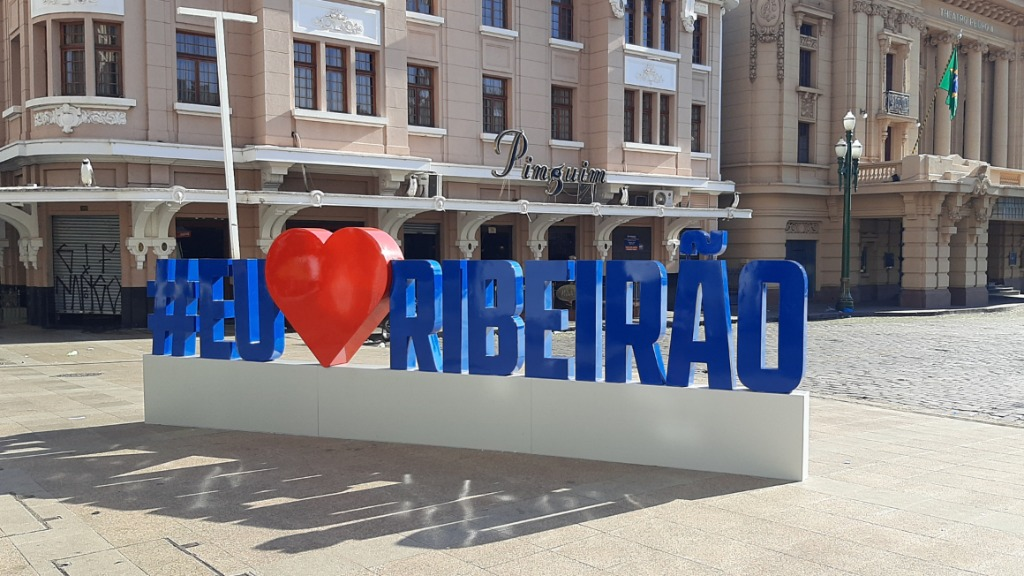
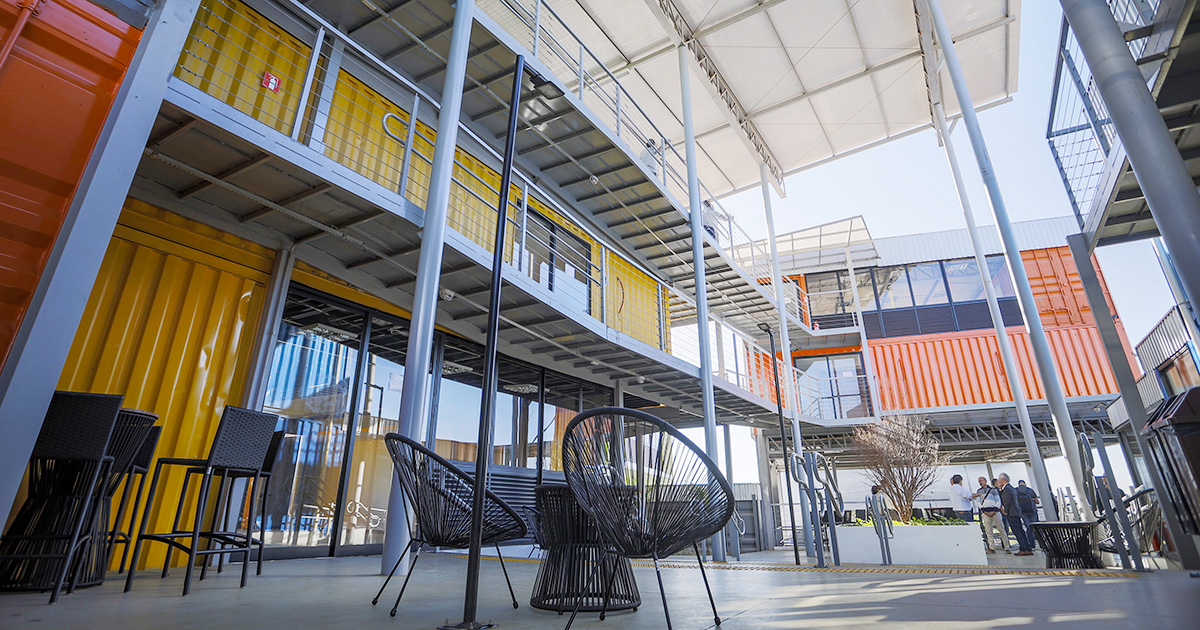
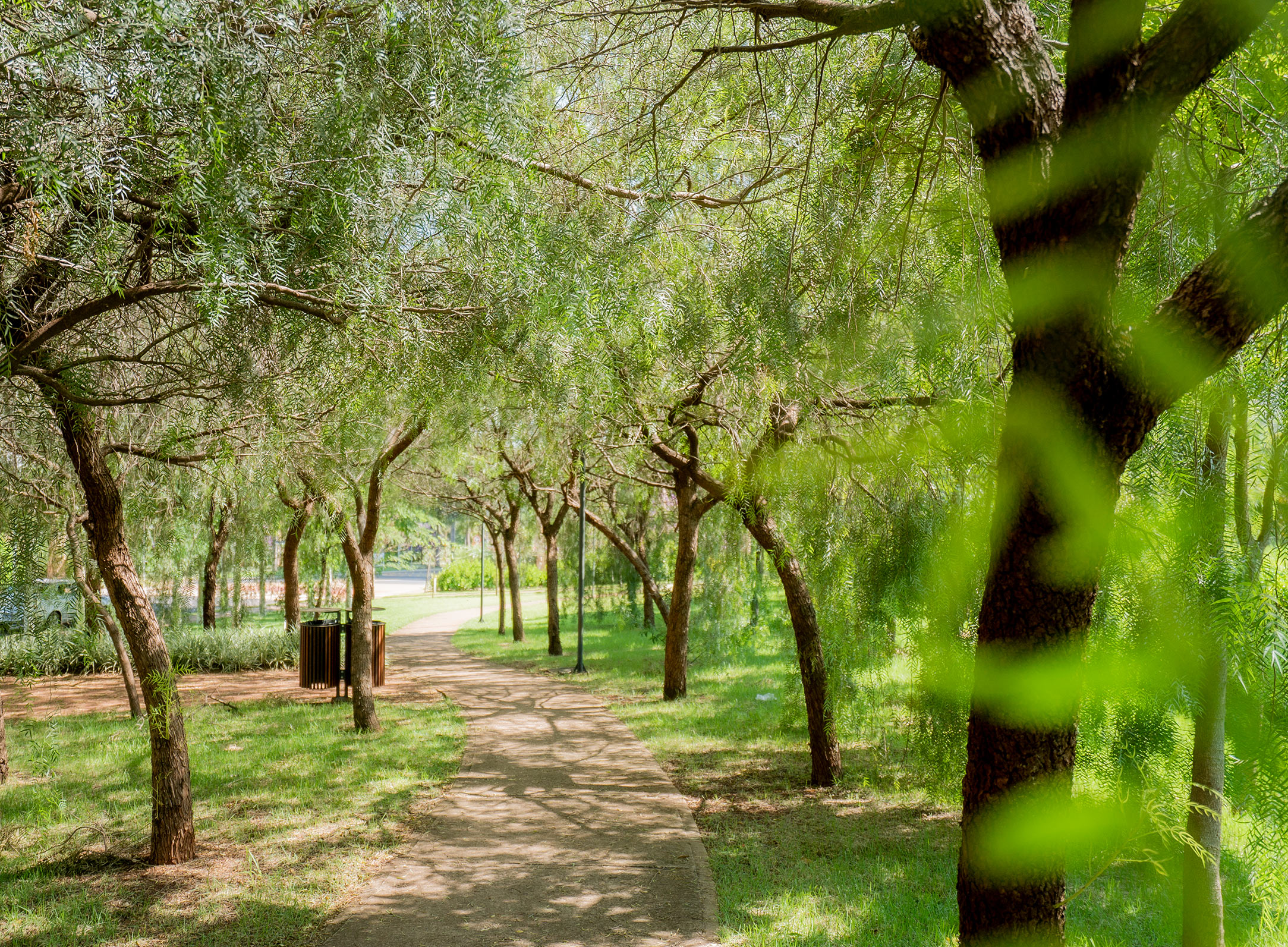
Since 2002, the Brazilian Symposium on Bioinformatics has brought computer scientists and life scientists, from universities and industry, together every year.
Starts as the Workshop on Bioinformatics, a small academic meeting on computational methods for the life sciences.
Renamed to Brazilian Symposium on Bioinformatics, expanding scope to industry, applied research and translational science.
Organized every year by the Brazilian Computer Society (SBC), it is the country’s main venue for bioinformatics research.
Research areas explored across keynotes, papers and tutorials.
Algorithms, sequence analysis, genomic databases and the computational core of the field.
Modeling, simulation and machine learning applied to biological systems and structures.
Networks, pathways and integrative approaches to understand biology at scale.
Five technical sessions of peer-reviewed full and short papers, plus a poster exhibition.
João Carlos Setubal, Blerina Sinaimeri, Alba Melo and Peter Stadler.
Two hands-on mini-courses on the first morning: somatic variant analysis, and AI for drug design.
Women in Bioinformatics, with researchers from Brazil and Mexico, on Tuesday afternoon.
Four invited talks, from genome assembly and phylogenetics to high-performance sequence comparison and RNA structure.
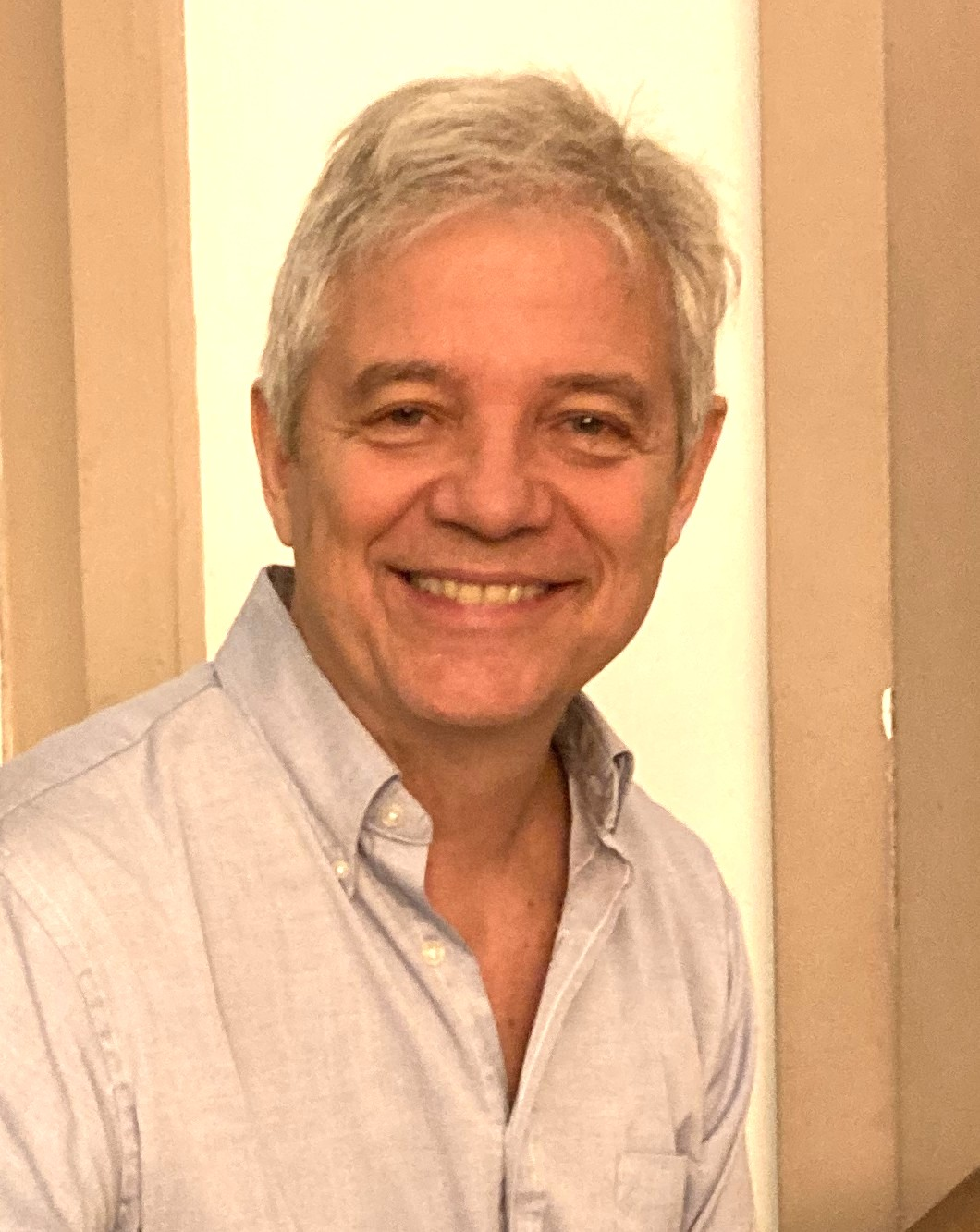
Genome assembly & comparative genomics.
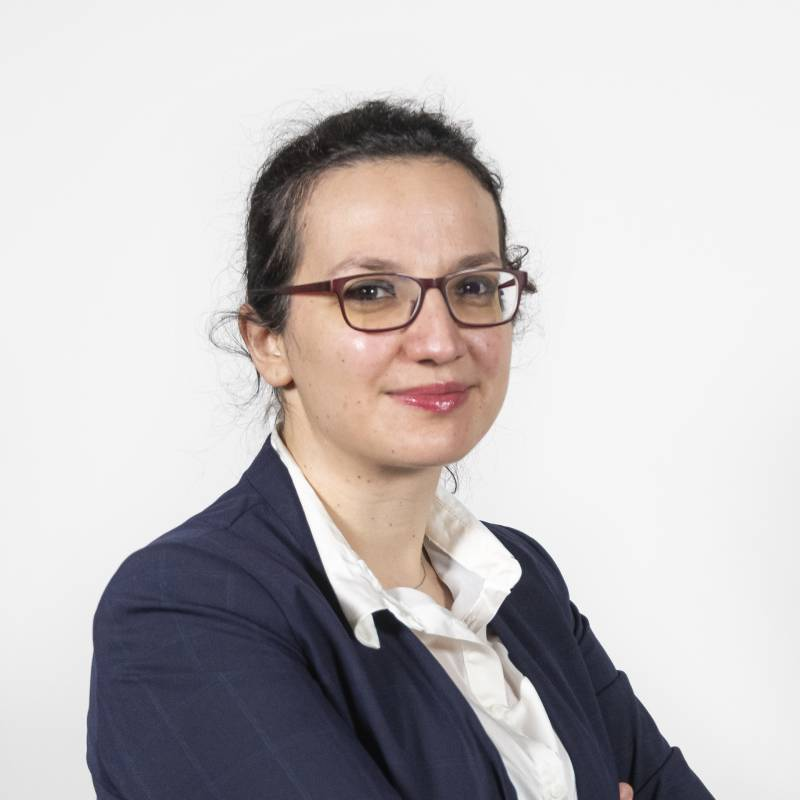
Algorithms for evolutionary & phylogenetic analysis.
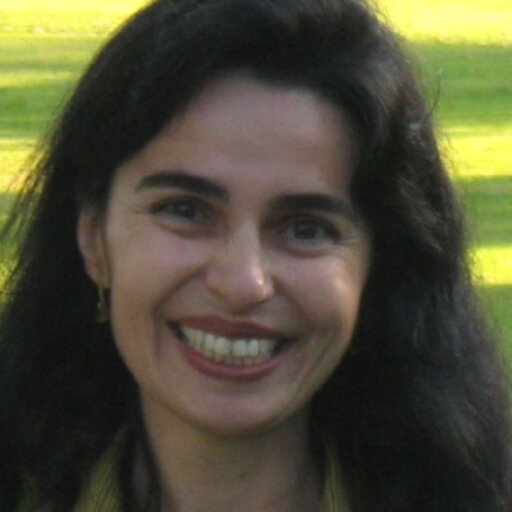
High-performance computing for sequence comparison.
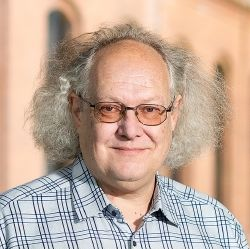
RNA structure, evolution & chemical biology.
A moderated conversation with researchers from Brazil and Mexico, on the second day of the symposium.

Embrapa Tropical Agroindustry · Brazil
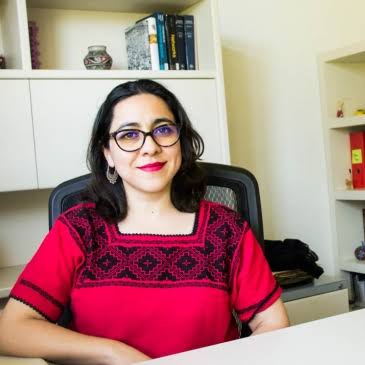
National Autonomous University of Mexico · Mexico
UFRGS (retired professor) and USP (invited collaborator), Brazil

Embrapa Digital Agriculture · Brazil
Monday morning to Wednesday lunchtime: four keynotes, five technical sessions, two mini-courses, a roundtable and the poster exhibition.
Both share the same slot on the first morning, so you can attend one of the two. Seats are limited and confirmed in the order forms arrive.
Renato David Puga · Hospital Israelita Albert Einstein
Prof. Euzébio Guimarães Barbosa · UFRN
BSB 2026 welcomes original research across Bioinformatics, Computational Biology and Systems Biology. Both full and short papers are accepted, with oral presentation.
Submissions open
Jun 03
Submission deadline
Aug 11
Author notification
Sep 14
Final version due
Oct 05
Poster submissions
Sep 28 to Oct 31
Posters have an independent submission window, separate from the full and short paper deadlines. Abstract template below.
Pick the one that best aligns with your contribution.
For preliminary results, new ideas or ongoing work: early-stage research that benefits from discussion and collaboration.
Intended for mature, comprehensive research contributions with complete methodology, experiments and results.
Accepted papers are published in the SBC Open Library (SOL), indexed by DBLP, and assigned a DOI. Both full and short papers are included.
Selected accepted contributions will be invited to submit an extended version to PLOS Computational Biology.
Papers not following SBC formatting guidelines may be rejected without review. By submitting, authors commit that at least one co-author will register and present at BSB 2026 upon acceptance. Submissions must not be under review or accepted elsewhere.
Three editable files. Adapt each one to your work, as long as the BSB 2026 identity stays recognisable.
The researchers organizing BSB 2026 and reviewing its program.
Associate Professor at the Department of Genetics, Faculty of Medicine of Ribeirão Preto (FMRP) · University of São Paulo.
8 members, from Brazil and Mexico.
42 researchers from 10 countries review the submissions.
Hosted on the University of São Paulo campus in Ribeirão Preto, a regional hub for biotechnology, agribusiness and life sciences research.
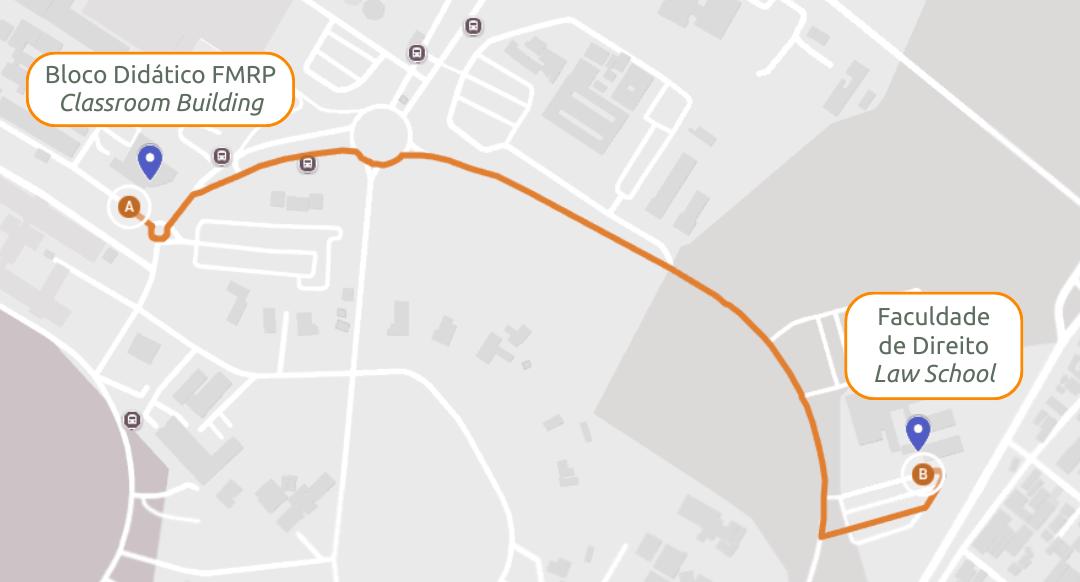
Auditorium of the Faculty of Law of Ribeirão Preto · USP
Av. Bandeirantes, 3900
Ribeirão Preto · SP · 14040-901 · Brazil
RAO · 12 km
7 stays · 1.7 to 9 km
7 hotels and inns, 1.7 to 9 km from the venue. Rates collected in May 2026; confirm with each property.
Five attendee categories and three fee tiers. Active SBC members pay up to 48% less than non-members.
All fees in Brazilian Real (BRL). Cut-off at 23:59 BRT on each date.
Pick your SBC membership status to see the fees for all five categories.
Active SBC annual membership. The lowest fee in every category.
Bundles event registration with your SBC membership, whether you are renewing one expiring within 90 days or joining for the first time. Both cost the same.
Event registration only, with no SBC membership benefits.
Everything you need to know about proof of category, author registration, payments and cancellation.
Upload of proof for your chosen category is required at registration in the ECOS system, whenever the category requires supporting documentation. Verification of this document may take up to one business day.
Payment options will only be released after validation by the SBC team. Applicants will receive informative emails throughout all stages of their BSB 2026 registration process.
The two mini-courses on Monday, November 30 run in parallel and have a limited number of seats, so places are handled on a separate form rather than through ECOS. Registering for the symposium does not reserve a seat, and signing up for a mini-course does not register you for the symposium. Both steps are required.
Sign up here: mini-course sign-up form.
Each Professional registration entitles you to the publication of one full or short article in the BSB. Authors registered in other categories, or in the Professional category with more than one approved article, must include a publication fee of R$ 120.00 per additional article at the time of registration.
For BSB abstract authors, the registration of one of the independent authors in the category is sufficient.
When registering in ECOS, the author must complete the “Article Title” and “JEMS Article Number” fields under the “Articles” section, indicating the articles covered by that registration and any associated publication fees. This eliminates the need to upload supporting documents to JEMS.
Registration is only valid when its status appears as “Paid”, except for registrations via commitment note or invoice (which take longer to process) and registrations by institutional members entitled to exemptions, verified directly with SBC.
For participants using institutional exemption, see the benefits of joining SBC: sbc.org.br/associe-se.
Registration payments can be made via bank slip (boleto), credit card, debit from a Banco do Brasil account, commitment note or invoice, all through the SBC registration system.
Payments by bank slip and debit card close on November 28, 2026. Payments by credit card, commitment note and invoicing remain open until the last day of the event.
For registrations by commitment note or invoice, participants must access the system, complete the registration process, select the corresponding payment method and click “pay”. The system will then provide the information that should be included in the commitment note or invoice request.
Until November 10, 2026, you can refund 70% of your BSB registration fee. After this date, no refunds will be issued. This policy applies to both the cancellation of your registration and any additional activities. To cancel, please send a request to faturamento@sbc.org.br.
What authors and participants ask most: papers, posters, mini-courses, registration and volunteering.
14 answers across five topics. Search, or jump to one.
Papers must follow the official SBC template. Page limits are strict and cannot be extended through supplementary material.
The final version of accepted papers is due by Oct 05, 2026.
Corrections requested by the reviewers must be incorporated, keeping the paper consistent with the version originally reviewed. There is no second round of review, so avoid substantial changes to the submitted version. They may jeopardise acceptance of the final version.
No. Accepted full and short papers are already presented orally at BSB 2026 and do not need to be resubmitted as an abstract or poster.
You may make a new poster submission, as long as it is a different work, not the same study already accepted as a full or short paper.
Abstract submissions for posters run Sep 28 to Oct 31, 2026.
No. At least one co-author must be registered for BSB 2026 and give the presentation.
Any registered co-author can present. It does not have to be the author who submitted the paper.
The talk can be given in Portuguese or English, with English preferred. Slides must be in English.
BSB 2026 provides an official PowerPoint template in 16:9 widescreen. The number of slides and the layout of figures, charts and other elements can be adapted, as long as the event’s visual identity is kept.
No. Full and short papers submitted to BSB 2026 cannot be under review at, or already accepted by, another conference or journal.
Accepted full and short papers are published in the SBC Open Library (SOL), with a DOI and DBLP indexing. Selected papers will also be invited to submit an extended version to PLOS Computational Biology.
Submissions are open Sep 28 to Oct 31, 2026, through JEMS3.
At this stage you submit only the abstract, as a PDF prepared in the official template. The poster itself is not uploaded with the abstract. You prepare it later, for the in-person presentation.
The abstract must:
The poster is 90 × 120 cm, portrait, built from the official BSB 2026 template.
The template is editable: content, sections, images, charts and tables can be adapted to your work, as long as the event’s visual identity is preserved: logo, colours and graphic elements.
Bring it printed, with a cord or string attached, ready to hang.
Mini-course sign-up is separate from BSB 2026 registration.
The two mini-courses run at the same time on the morning of November 30, have limited seats, and each participant can choose only one.
To take part, register for BSB 2026 through ECOS and sign up for the mini-course on the form. Registering for BSB does not guarantee a seat, and signing up for a mini-course does not replace your event registration.
Registration is done through ECOS, the Brazilian Computer Society’s system. Fees change at the end of each tier:
If your category requires proof, upload the document in ECOS itself. Validation can take up to one business day, and payment options are released after that.
For full and short papers:
For accepted abstracts and posters, it is enough for one of the authors to be registered for the event.
When registering in ECOS, fill in the “Article Title” and “JEMS Article Number” fields under the “Articles” section.
Account and access issues in the SBC systems are handled directly by the Brazilian Computer Society support team:
Yes. BSB 2026 will run a selection process for volunteers.
Participation criteria, guidelines and application details will be published here, on the official BSB 2026 website.
No question matches “”.
Try another word, or write to the organizing committee below.